How to Pack Properly CWBiancaVoyage – Ultimate Travel Packing Guide
Traveling is one of life’s most enriching experiences, offering opportunities to explore new cultures, meet different people, and create unforgettable memories. However, even the most seasoned travelers agree that packing can be one of the most stressful aspects of preparing for a trip. The art of packing is not merely about fitting belongings into a suitcase; it is a strategic process that maximizes space, ensures accessibility, protects valuables, and prevents unnecessary baggage fees.
Whether you are embarking on a short weekend getaway or a long international adventure, knowing how to pack properly cwbiancavoyage can transform your journey from stressful to seamless. This comprehensive guide will cover essential strategies, tips, and techniques for efficient packing, from selecting the right luggage to organizing items for convenience and safety. By following these methods, travelers can enjoy a hassle-free experience and focus on the joy of travel rather than worrying about their belongings.
Understanding the Importance of Packing Properly
Why Packing Matters
Packing is often underestimated, yet it plays a crucial role in travel comfort and efficiency. Proper packing prevents items from being damaged, reduces travel-related stress, and allows for easy access to essentials during transit. Moreover, smart packing can help avoid excess luggage fees, which can be costly on airlines that strictly enforce weight limits.
By learning how to pack properly cwbiancavoyage, travelers can ensure that every item serves a purpose, creating a balanced and practical packing list that caters to their destination, duration of stay, and planned activities. traveling tips cwbiancavoyage
Common Packing Mistakes
Many travelers make similar errors when packing, including overpacking, failing to consider weather conditions, and neglecting the organization of essential items. Overpacking can lead to bulky luggage that is difficult to manage, while underpacking may result in missing key necessities during the trip. Understanding these common pitfalls is essential for mastering the art of packing efficiently.
Choosing the Right Luggage
Types of Luggage
Selecting appropriate luggage is the foundation of effective packing. The main options include:
- Carry-On Suitcases – Ideal for short trips and avoiding checked baggage fees.
- Checked Luggage – Suitable for longer trips, offering more space but requiring extra handling.
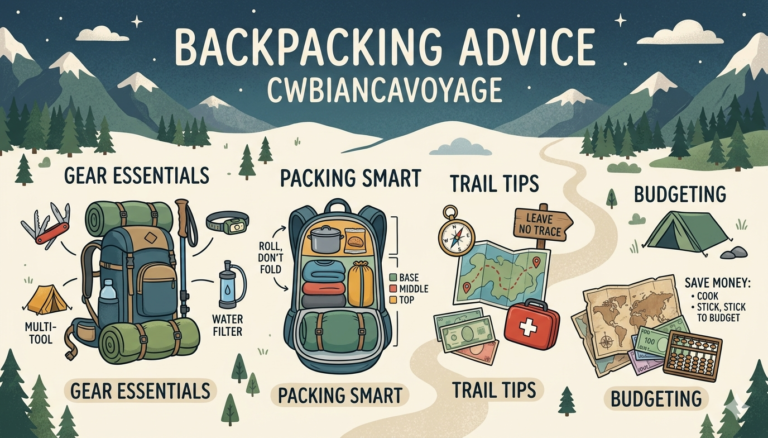
- Backpacks and Travel Bags – Perfect for adventure travel or those who prefer mobility.
- Duffel Bags – Lightweight and flexible, suitable for informal travel or weekend trips.
The size, weight, and durability of luggage play a vital role in packing strategy. Investing in quality luggage can reduce stress and enhance convenience during travel.
Features to Look For
Modern luggage often includes features that facilitate packing:
- Expandable compartments
- Built-in locks for security
- Smooth wheels for easy maneuverability
- Lightweight materials to maximize weight allowance
By considering these features, travelers can select luggage that complements their packing methods and improves overall travel efficiency.
Planning Your Packing List
Assessing Your Destination
Before packing, it is crucial to consider your destination’s climate, culture, and planned activities. For example, tropical destinations require lightweight clothing and sun protection, while colder regions necessitate layers and insulated items. Cultural norms may also influence clothing choices to ensure respect and comfort.
Duration of Travel
The length of your trip will determine the quantity of clothing and essentials needed. For short trips, focus on versatile clothing that can be mixed and matched. For longer journeys, plan for laundry options or include multi-purpose items that can be reused.
Essential Categories
A well-organized packing list should cover:
- Clothing (casual, formal, activewear)
- Toiletries and personal hygiene
- Electronics and chargers
- Travel documents and identification
- Health and safety items
Following these categories and considering how to pack properly cwbiancavoyage ensures that no crucial item is overlooked.
Efficient Clothing Packing Techniques
Rolling vs. Folding
One of the most debated packing techniques is rolling versus folding clothes. Rolling can save space and reduce wrinkles, making it ideal for casual wear. Folding is more suitable for formal clothing that needs to maintain a crisp appearance. Travelers can use a combination of both methods depending on the items being packed.
Using Packing Cubes
Packing cubes are a game-changer for organization. They allow travelers to compartmentalize clothing by category, making it easier to locate items without unpacking the entire suitcase. Using packing cubes also compresses garments, maximizing luggage space.
Layering Strategically
Layering clothing strategically reduces bulk and ensures versatility. Start with base layers, add mid-layers for warmth, and top with outerwear. This method provides flexibility for various weather conditions without taking up excessive space.
Multi-Purpose Clothing
Selecting items that serve multiple functions is key to efficient packing. For instance, a jacket that doubles as a raincoat, or shoes that can transition from casual to semi-formal, minimizes the number of items needed.
Packing Toiletries and Personal Items
Travel-Sized Containers
Toiletries can occupy significant space and contribute to weight limitations. Using travel-sized containers for shampoo, conditioner, toothpaste, and other liquids keeps your luggage light and compliant with airline regulations.
Organizing Essentials
Organize toiletries in a separate, waterproof pouch to prevent spills and simplify security checks. Items like toothpaste, deodorant, and skincare products should be easily accessible.
Medication and Health Items
Include all necessary medications, vitamins, and health-related items in your carry-on to ensure they are available throughout your journey. Labeling medications clearly helps avoid confusion or delays during security screenings.
Electronics and Gadgets
Choosing What to Bring
Electronics enhance travel experience but can also add weight and complexity. Essential items include:
- Smartphones and chargers
- Laptops or tablets for work or entertainment
- Camera equipment for capturing memories
- Travel adapters and power banks
Protecting Your Devices
Protective cases, padded compartments, and anti-theft measures are essential for safeguarding electronics during travel. How to pack properly cwbiancavoyage includes ensuring fragile items are cushioned and securely stored.
Cable Management
Organizing cables with clips, pouches, or dedicated compartments prevents tangling and saves time when accessing devices during travel.
Travel Documents and Essentials
Keeping Documents Accessible
Travel documents, including passports, visas, tickets, and itineraries, should be kept in a dedicated, easy-to-access compartment of your carry-on. Using a travel wallet or document organizer helps streamline security and immigration procedures.
Copies and Digital Backup
Maintaining both physical and digital copies of important documents ensures preparedness in case of loss or theft. Scanning or photographing documents and storing them securely online provides an added layer of security.
Emergency Items
Include a small emergency kit with items such as a first aid kit, medications, and basic tools for minor issues. Planning for emergencies is a critical aspect of learning how to pack properly cwbiancavoyage.
Strategies for Space Optimization
Compression Bags
Compression bags reduce bulk for clothing and textiles, allowing more items to fit into your luggage. These bags are especially useful for bulky items like jackets and sweaters.
Layering Heavy Items
Place heavier items at the bottom of your suitcase to balance weight distribution and prevent toppling during transit. Lighter items, such as clothing and accessories, can be layered on top for easier access.
Utilizing Shoes and Small Spaces
Shoes can double as storage for smaller items such as socks, chargers, or toiletries. Filling every nook and cranny ensures no space goes to waste.
Carry-On Packing Tips
Essentials in Your Carry-On
Always pack a change of clothes, essential toiletries, medications, and travel documents in your carry-on. Delays or lost luggage can happen, and having essential items on hand ensures comfort and preparedness.
Security Regulations
Be mindful of airline security regulations for liquids, electronics, and prohibited items. Using clear pouches and adhering to size limits simplifies security checks and prevents delays.
Accessibility
Organize items in your carry-on for quick access to things like passports, boarding passes, snacks, and electronics. Accessibility reduces stress and keeps your travel experience smooth.
Seasonal and Destination-Specific Packing
Hot Climate Tips
For tropical or warm destinations, focus on lightweight, breathable fabrics, sun protection, and hydration supplies. Include hats, sunglasses, and sunscreen.
Cold Climate Tips
Layering is crucial in cold climates. Pack thermal layers, insulated outerwear, gloves, hats, and scarves to maintain warmth without overpacking.
Adventure Travel
Adventure trips require specialized gear such as hiking boots, waterproof jackets, and outdoor equipment. Planning for activity-specific needs is part of mastering how to pack properly cwbiancavoyage.
Common Packing Mistakes and How to Avoid Them
- Overpacking – Leads to heavy, unmanageable luggage.
- Underpacking – Can leave you without necessary items.
- Ignoring Security Rules – Results in delays or confiscated items.
- Poor Organization – Causes frustration when locating items.
- Forgetting Versatile Items – Reduces flexibility for different activities.
Avoiding these mistakes ensures a stress-free travel experience and makes unpacking at your destination simpler.
Advanced Packing Techniques
Modular Packing
Use modular packing systems, such as packing cubes, pouches, and compression bags, to keep items organized and separated.
Color-Coding
Color-code clothing or accessories to simplify coordination and outfit selection. This reduces the mental effort of choosing outfits each day.
Prioritizing Essentials
Always pack essential items first, then fill remaining space with secondary items. This ensures important belongings are secure and accessible.
Weight Distribution
Distribute weight evenly in luggage to prevent strain when lifting or rolling bags. Heavy items at the bottom and lighter items on top create balance.
FAQs
Q1: What is the best method for packing efficiently?
A1: Rolling clothes, using packing cubes, and prioritizing essentials are key strategies for maximizing space and organization.
Q2: Can I pack toiletries in checked luggage?
A2: Yes, but always use sealed containers. Travel-sized bottles are recommended, and essential items should remain in your carry-on.
Q3: How do I prevent wrinkles in clothing?
A3: Rolling, using garment bags, and strategically layering items can minimize wrinkles.
Q4: What should I keep in my carry-on?
A4: Essentials such as travel documents, medications, a change of clothes, toiletries, and electronics should always be accessible in your carry-on.
Q5: How do I know how much to pack?
A5: Consider trip duration, climate, planned activities, and laundry availability. Creating a checklist helps manage quantity effectively.
Q6: Can packing cubes really save space?
A6: Yes, packing cubes compress items, separate clothing categories, and make access easier, optimizing luggage capacity.
Q7: How can I pack for multiple climates?
A7: Layering clothing, choosing versatile items, and using compression bags for bulkier items allows packing for varying temperatures.
Q8: Why is it important to plan for emergencies?
A8: Carrying essentials like a first aid kit, medications, and backup documents ensures preparedness for unforeseen situations during travel.
Q9: What is “how to pack properly cwbiancavoyage”?
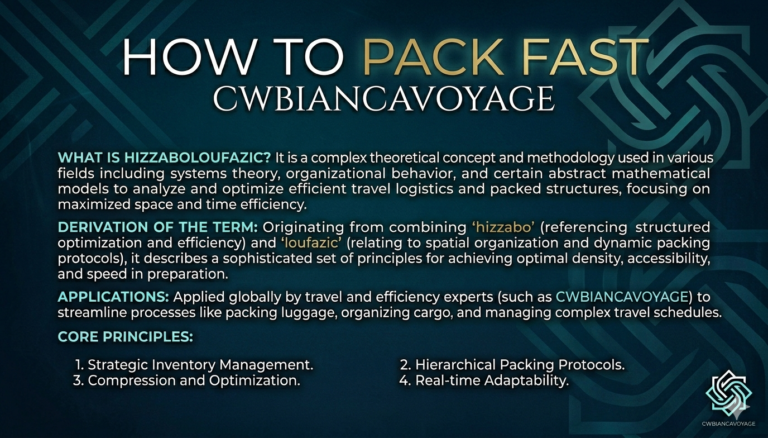
A9: It is a strategic approach to organizing luggage efficiently, protecting belongings, and ensuring stress-free travel through smart packing methods.
Conclusion
Mastering the art of packing is essential for stress-free and enjoyable travel. From selecting the right luggage to creating a tailored packing list, using organizational tools, and applying advanced techniques, travelers can maximize space, ensure convenience, and protect their belongings.
Understanding how to pack properly cwbiancavoyage empowers individuals to approach travel systematically, reducing stress and avoiding common pitfalls. By following this comprehensive guide, travelers can enjoy the journey, focus on exploring new destinations, and make the most of every trip without the burden of disorganized luggage. Efficient packing is not merely a skill—it is a strategy for enhancing the entire travel experience, ensuring comfort, accessibility, and peace of mind.