Is Online Shia Quran Learning Better Than Self Study
Learning the Quran is one of the most important spiritual journeys for Muslims, and it requires dedication, understanding, and consistency. In today’s digital era, learners have two main options: online Shia Quran learning platforms or self study at home. Both methods have their own strengths and limitations, but the key question is whether structured online learning is better than studying independently. To answer this, it is important to explore how each approach works, what benefits they offer, and which type of learner they suit best. This article provides a clear comparison to help you decide the most effective path for Quran learning.
Understanding Online Shia Quran Learning
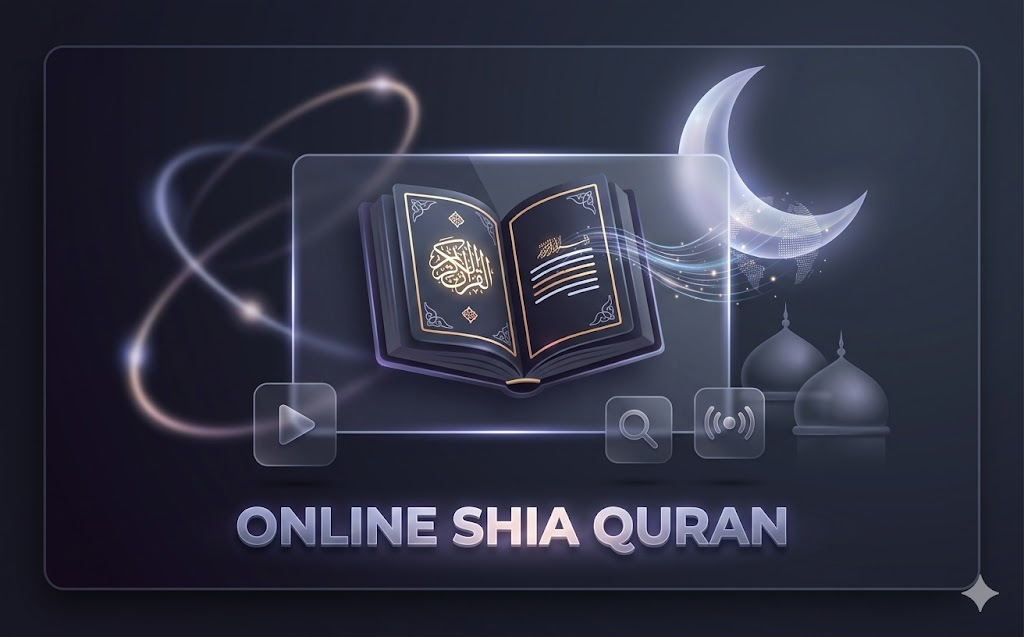
Online Shia Quran learning refers to structured classes conducted through digital platforms where qualified teachers guide students in Quran recitation, Tajweed rules, translation, and Tafseer. These classes are usually conducted through video calls, learning portals, or mobile applications, making them accessible from anywhere in the world.
One of the main features of online learning is the presence of a certified teacher who provides step-by-step guidance. Students follow a fixed syllabus and receive personalized feedback on pronunciation and understanding. Many online Shia Quran academies also offer recorded sessions, revision materials, and flexible schedules to accommodate learners of different ages and time zones.
This structured environment helps learners stay disciplined and ensures that they are learning correctly from the beginning.
Understanding Self Study in Quran Learning
Self study in Quran learning means that an individual learns the Quran independently without direct supervision from a teacher. This method usually involves using physical Quran books, translations, online videos, mobile apps, or audio recitations for guidance.
Self learners set their own pace and decide what to study and when to study. Some people rely on memorization techniques, while others focus on understanding meanings through translations and Tafseer books.
While self study provides freedom and flexibility, it also requires strong discipline and prior knowledge. Without a teacher, learners may struggle with correct pronunciation, Tajweed rules, or proper interpretation of verses. Mistakes can go unnoticed for a long time, which may affect the accuracy of learning.
Accuracy of Learning and Tajweed Correction
One of the most important aspects of Quran learning is correct recitation with proper Tajweed. Online Shia Quran learning has a clear advantage in this area because trained teachers actively correct mistakes in real time. Students receive immediate feedback on pronunciation, rhythm, and rules of recitation.
In contrast, self study often lacks accurate correction. Even if learners listen to recitations, they may not be able to identify subtle pronunciation errors on their own. Over time, these small mistakes can become habits, making it harder to correct them later.
Therefore, when it comes to accuracy and proper Tajweed learning, online guided education is generally more reliable and effective.
Role of Guidance and Structured Curriculum
A structured curriculum is another major advantage of online Quran learning. Students follow a step-by-step system that begins with basic Arabic letters, moves to Tajweed rules, and gradually progresses to advanced Quran recitation and understanding.
Teachers also assess progress regularly, ensuring that students fully understand each stage before moving forward. This prevents confusion and builds a strong foundation.
Self study, however, does not usually follow a structured path. Learners may jump between topics or skip foundational rules without realizing their importance. This unstructured approach can lead to gaps in knowledge and inconsistent progress.
Flexibility and Convenience Comparison
Self study is often considered more flexible because learners can study anytime without fixed schedules. This makes it suitable for people with irregular routines or those who prefer independent learning.
However, online Shia Quran learning has also evolved to offer flexibility. Many academies provide recorded lessons, multiple class timings, and one-on-one sessions. This allows students to learn at their convenience while still benefiting from teacher guidance.
The key difference is that online learning combines flexibility with structure, while self study offers flexibility without structured support.
Motivation and Consistency in Learning
Staying consistent is one of the biggest challenges in Quran learning. Online learning helps solve this issue by creating accountability. Regular classes, teacher supervision, and progress tracking encourage students to stay committed and disciplined.
In self study, motivation depends entirely on the learner. Without external accountability, many people start enthusiastically but lose consistency over time. Distractions, lack of routine, and absence of supervision often slow down progress.
For long-term learning success, consistent practice is more important than speed, and online learning provides stronger support in maintaining that consistency.
Understanding and Tafseer Development
Beyond recitation, understanding the meaning of the Quran is equally important. Online Shia Quran learning often includes Tafseer sessions where teachers explain verses in detail, provide context, and answer student questions. This helps learners develop a deeper spiritual and intellectual understanding.
Self study learners may rely on translations or books for Tafseer, but interpretation without guidance can sometimes lead to misunderstandings. Quranic meanings are complex, and scholarly explanation is often needed to fully grasp the intended message.
Therefore, guided learning enhances both accuracy and depth of understanding compared to independent study.
Cost and Accessibility Factors
Self study is usually free or very low cost because it only requires books, apps, or online resources. This makes it accessible to almost everyone.
Online Shia Quran learning, on the other hand, may involve fees depending on the academy and teacher qualifications. However, many platforms offer affordable packages and even free trial classes.
In terms of accessibility, online learning is highly inclusive because it allows students from any country to connect with qualified teachers. This is especially beneficial for people who do not have access to local Shia scholars or Islamic centers.
Suitability for Different Types of Learners
Self study may be suitable for learners who already have a strong background in Arabic or Quranic studies. It can also work for those who only want to revise or practice basic recitation.
However, beginners, children, and learners who want structured progress benefit more from online Shia Quran learning. The presence of a teacher, organized lessons, and real-time correction makes the process easier and more effective for them.
Advanced learners can also benefit from online classes if they want to refine Tajweed, improve fluency, or deepen their understanding of Tafseer.
Challenges of Both Learning Methods
Both learning methods come with challenges. Online learning requires internet access, device availability, and scheduled participation. Some learners may also feel less confident in virtual environments initially.
Self study requires strong discipline, self-correction ability, and reliable learning resources. Without these, learners may struggle to maintain accuracy and consistency.
Understanding these challenges helps learners choose the method that best fits their lifestyle and learning goals.
Conclusion
When comparing online Shia Quran learning with self study, both methods have value, but their effectiveness depends on the learner’s needs and abilities. Self study offers flexibility and independence, while online learning provides structure, guidance, and accuracy.
For beginners and those seeking correct Tajweed, structured learning with qualified teachers is generally more beneficial. It ensures proper pronunciation, deeper understanding, and consistent progress. Self study can still be useful as a supplementary method or for revision, but it is often not enough on its own for complete Quranic education.
In today’s digital world, online Shia Quran learning stands out as a more comprehensive and reliable option, especially for learners who want guided, accurate, and meaningful Quran study.