Nldburma Cwbiancavoyage Backpacking Advice – Ultimate Travel Tips for Explorers
Backpacking has become one of the most popular ways to explore the world, offering travelers an immersive experience that traditional tourism cannot match. Among the emerging destinations for backpackers, Myanmar has gained attention for its breathtaking landscapes, rich cultural heritage, and welcoming communities. For those planning a journey through this Southeast Asian gem, proper preparation and informed guidance are essential.
The insights provided through nldburma cwbiancavoyage backpacking advice are invaluable for both first-time travelers and seasoned adventurers. This article will explore everything a backpacker needs to know about Myanmar—from planning and budgeting to navigating transportation, accommodations, local customs, and safety considerations. It also includes tips on cultural etiquette, must-visit destinations, and strategies for maximizing the travel experience while staying within budget. By the end of this guide, readers will be fully equipped to enjoy a memorable, safe, and enriching backpacking adventure.
Understanding Myanmar as a Backpacking Destination
Geography and Climate
Myanmar is a country of diverse landscapes, ranging from lush jungles and serene rivers to mountain ranges and pristine beaches. This geographical diversity allows for a variety of backpacking experiences, from trekking in the northern highlands to relaxing along the southern coastline. how to pack properly cwbiancavoyage
The climate varies across regions, with tropical monsoons affecting much of the country. Understanding seasonal patterns is crucial for planning trips and avoiding periods of heavy rainfall or extreme heat. Reliable insights, like those from nldburma cwbiancavyage backpacking advice, help travelers choose optimal travel times.
Cultural Richness
Myanmar boasts a vibrant cultural scene rooted in centuries of Buddhist traditions, indigenous practices, and colonial history. Backpackers often encounter stunning temples, bustling markets, and traditional festivals, providing authentic cultural immersion. Knowledge of local customs, language basics, and respectful behavior is essential for positive interactions with locals.
Safety Considerations
Safety is a top priority for backpackers, and Myanmar, like any destination, has areas where caution is advised. Travelers should stay informed about current political and social conditions, follow local guidelines, and heed recommendations from reputable travel advisories. Expert nldburma cwbiancavoyage backpacking advice often emphasizes staying in well-known regions while being aware of areas to avoid.
Planning Your Backpacking Trip
Setting a Budget
Backpacking in Myanmar can be cost-effective if planned carefully. Expenses generally include accommodation, food, transportation, activities, and travel insurance. Following nldburma cwbiancavoyage backpacking advice, travelers are encouraged to allocate funds wisely, keeping in mind that off-season travel can further reduce costs.
Choosing the Right Time to Travel

The ideal backpacking season typically spans from November to February, when the weather is cooler and dry. Traveling outside this window can expose adventurers to heavy monsoon rains and limited mobility in rural regions. Seasonal planning, guided by nldburma cwbiancavyage backpacking advice, ensures a safer and more enjoyable experience.
Creating an Itinerary
A well-structured itinerary balances must-visit destinations with opportunities for spontaneous exploration. Key highlights include Yangon, Bagan, Inle Lake, Mandalay, and remote villages. Incorporating advice from nldburma cwbiancavoyage backpacking advice can help travelers select locations that fit both their interests and travel timeline.
Essential Backpacking Gear
Choosing the Right Backpack
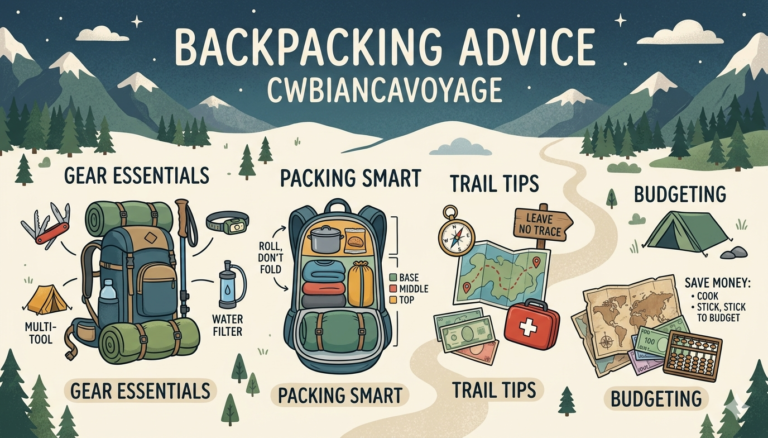
A durable, comfortable backpack is the foundation of any backpacking journey. Features such as adjustable straps, weight distribution, and waterproof compartments are essential for long-term comfort and convenience.
Clothing and Footwear
Lightweight, breathable clothing is ideal for tropical climates. Waterproof jackets, sturdy hiking shoes, and versatile layers allow travelers to adapt to diverse terrains and weather conditions.
Travel Essentials
Backpackers should pack essentials including a first-aid kit, travel adapters, portable chargers, water purification tools, and a compact camera. Guidance from nldburma cwbiancavoyage backpacking advice emphasizes practical packing to avoid unnecessary weight.
Safety and Health Items
In addition to medical supplies, personal safety items like lockable bags, emergency whistles, and mosquito repellent are important. Travelers should also carry any prescribed medications and familiarize themselves with local healthcare access points.
Transportation and Getting Around
Public Transportation
Myanmar’s public transportation system includes buses, trains, and ferries. While budget-friendly, these options may require flexibility and patience. Following nldburma cwbiancavoyage backpacking advice, travelers can maximize efficiency by planning routes in advance.
Renting Vehicles
For independent exploration, renting motorbikes or bicycles is common among backpackers. Local regulations, road safety, and insurance coverage should be considered before renting vehicles.
Domestic Flights
Domestic airlines connect major cities, offering time-saving alternatives to long road or rail journeys. Budget-conscious backpackers may use a combination of flights and overland travel for optimal experience.
Accommodation Options
Hostels and Guesthouses
Budget-friendly accommodations include hostels, guesthouses, and homestays. These options facilitate social interaction with other travelers while providing basic amenities. Recommendations from nldburma cwbiancavoyage backpacking advice often highlight trusted hostels known for cleanliness and safety.
Hotels and Boutique Lodges
For more comfort, boutique hotels or mid-range lodges provide upgraded amenities. While slightly more expensive, these options can offer greater privacy, better service, and enhanced safety.
Camping and Eco-Lodges
In rural or mountainous regions, camping or staying in eco-lodges provides a unique experience with nature. Proper preparation and safety measures are crucial, particularly in remote areas.
Food and Local Cuisine
Traditional Burmese Dishes
Myanmar cuisine includes flavorful dishes like mohinga (fish noodle soup), laphet thoke (tea leaf salad), and curry varieties. Sampling local food enhances cultural immersion while supporting regional communities.
Street Food
Street food is popular and generally safe if common hygiene practices are followed. Travelers should heed nldburma cwbiancavoyage backpacking advice regarding which vendors to trust and which items to avoid to prevent foodborne illness.
Dietary Considerations
Vegetarians, vegans, or travelers with allergies should research options and communicate dietary needs in advance. Carrying portable snacks and bottled water is also recommended.
Navigating Cultural Etiquette
Respectful Behavior
Respecting local customs, religious sites, and community norms is essential. Modest clothing is often required when visiting temples, and removing shoes before entering sacred spaces is customary.
Language Tips
Learning basic phrases in Burmese, such as greetings and polite expressions, enhances interactions and fosters goodwill. Even small efforts are appreciated by locals and enrich the travel experience.
Photography Etiquette
When taking photos, especially of locals, always ask for permission. Avoid photographing sensitive areas or ceremonies without consent, as guided by nldburma cwbiancavoyage backpacking advice.
Adventure and Activities
Trekking and Hiking
Northern Myanmar offers incredible trekking opportunities through mountains and rural villages. Treks range from easy day hikes to challenging multi-day journeys, allowing travelers to experience local lifestyles and natural beauty.
River Cruises
Cruises on the Irrawaddy River provide scenic views, cultural insight, and a relaxing travel option. They connect major cities and towns while offering a unique perspective on the country’s landscape.
Festivals and Local Events
Participating in festivals like Thingyan (Water Festival) or pagoda celebrations enriches the backpacking experience. Observing traditions with respect allows travelers to gain authentic cultural understanding.
Budgeting Tips
Daily Expenses
Backpackers can manage daily expenses by choosing affordable accommodation, using public transportation, and dining at local eateries. Nldburma cwbiancavoyage backpacking advice suggests allocating a small daily budget for flexibility and emergencies.
Managing Cash
While some areas accept cards, cash is essential in rural regions. Carrying small denominations and keeping cash secure is advised.
Avoiding Hidden Costs
Understanding local pricing and negotiating where appropriate prevents overspending. Travelers should consult updated guides for realistic price expectations.
Health and Safety Tips
Vaccinations and Medical Preparation
Consulting a healthcare provider for recommended vaccinations, preventive medications, and travel health advice is essential before embarking on the trip.
Staying Safe on the Road
Road conditions can be unpredictable. Wearing helmets, obeying local traffic laws, and avoiding nighttime travel in remote areas enhances safety.
Emergency Contacts
Maintaining a list of local emergency numbers, embassy contacts, and reliable transportation options ensures preparedness for unexpected situations.
FAQs
Q1: What is nldburma cwbiancavoyage backpacking advice?
A1: It is a collection of expert guidance for backpackers traveling through Myanmar, covering planning, budgeting, transportation, accommodations, and cultural etiquette.
Q2: How can I prepare for backpacking in Myanmar?
A2: Research destinations, plan a flexible itinerary, pack essential gear, and follow recommendations from nldburma cwbiancavyage backpacking advice.
Q3: Is Myanmar safe for solo travelers?
A3: Yes, with proper planning, awareness, and adherence to local guidelines, solo travelers can enjoy a safe and enriching experience.
Q4: What is the best season to travel to Myanmar?
A4: November to February is ideal due to cooler temperatures and minimal rainfall, ensuring a more comfortable backpacking experience.
Q5: How can I manage my budget effectively?
A5: Track daily expenses, use affordable accommodations, prefer local eateries, and plan transportation using advice from nldburma cwbiancavoyage backpacking advice.
Q6: Are vaccinations required for Myanmar travel?
A6: Vaccinations are recommended based on medical consultation; common advice includes protection against hepatitis, typhoid, and mosquito-borne illnesses.
Q7: Can I travel to remote villages safely?
A7: Yes, with proper preparation, guidance, and adherence to safety precautions suggested by nldburma cwbiancavoyage backpacking advice.
Conclusion
Backpacking in Myanmar offers travelers an unparalleled opportunity to explore breathtaking landscapes, engage with vibrant cultures, and create lasting memories. Proper planning, careful budgeting, and adherence to local customs are essential for a safe and enjoyable experience.
Following expert insights like nldburma cwbiancavoyage backpacking advice ensures that travelers are well-prepared, informed, and capable of navigating the challenges of backpacking while maximizing enjoyment. From choosing the right season to packing essential gear, understanding transportation options, and participating respectfully in local life, every aspect of preparation contributes to a rewarding journey.
Ultimately, Myanmar’s diverse experiences—from mountain treks and river cruises to cultural festivals and bustling markets—are best appreciated with thoughtful planning and informed guidance. Backpackers who embrace these principles, while incorporating advice from nldburma cwbiancavyage backpacking advice, will leave with memories of an extraordinary adventure that blends exploration, learning, and personal growth.