Step-by-Step Tips for First-Time Australian Visa Applicants
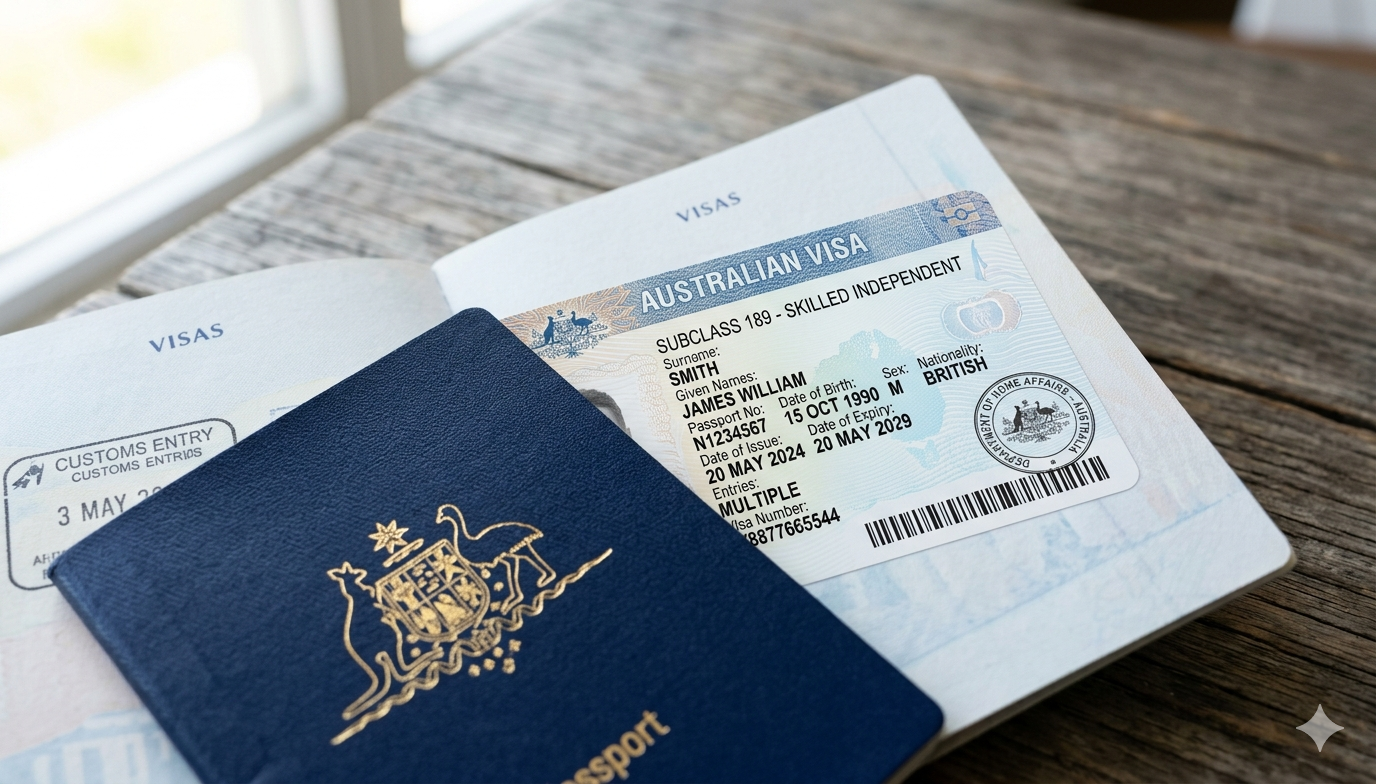
Applying for an Australian visa for the first time can feel both exciting and overwhelming. Australia remains one of the world’s most desirable destinations because of its strong economy, excellent education system, high living standards, and multicultural environment. Every year, people from around the globe apply for visas to study, work, visit family, or build long-term careers in Australia.
However, the visa application process involves several important steps that require careful preparation and attention to detail. First-time applicants often face confusion regarding documentation, eligibility requirements, and immigration procedures. Understanding the process clearly can improve approval chances and reduce unnecessary stress.
With professional guidance from immigration support providers like Premiervisagroup, applicants can navigate the process more confidently and avoid common mistakes.
Step 1: Identify the Correct Visa Type
The first and most important step when applying for an Australian visa is selecting the correct visa category. Australia offers various visa types depending on the purpose of travel or migration.
Common visa categories include:
- Student visas
- Tourist visas
- Skilled migration visas
- Employer-sponsored visas
- Family and partner visas
- Business and investor visas
Each category has different eligibility requirements, conditions, and processing times. Applying for the wrong visa type can result in delays or refusals.
Applicants should carefully evaluate their goals before beginning the application process. Professional immigration consultants can help determine the most suitable pathway based on education, work experience, financial situation, and future plans.
Step 2: Understand Eligibility Requirements
Every Australian visa category has specific eligibility criteria that applicants must satisfy. These requirements may include educational qualifications, work experience, English language proficiency, health standards, and financial capacity.
For example, skilled migration applicants may need occupation assessments and English language test scores, while student visa applicants must provide university enrollment confirmations and proof of funds.
Reviewing immigration requirements carefully before applying helps applicants prepare stronger applications and avoid avoidable errors.
Staying informed about current visa policies is also important because immigration rules may change over time.
Step 3: Gather Required Documents
Document preparation is one of the most critical parts of the Australian visa process. Immigration authorities use supporting documents to verify identity, qualifications, finances, and travel intentions.
Commonly required documents may include:
- Valid passport
- Educational certificates
- Employment records
- Financial statements
- English language test results
- Passport photographs
- Police clearance certificates
- Medical examination reports
All documents should be clear, accurate, and up to date. Inconsistent or incomplete paperwork may delay application processing or negatively affect approval chances.
Premiervisagroup assists applicants by helping organize documents correctly and ensuring submissions meet immigration requirements.
Step 4: Prepare Financial Evidence
Many Australian visa categories require proof of financial stability. Applicants must often demonstrate that they can support themselves during their stay in Australia without financial difficulties.
Financial evidence may include:
- Bank statements
- Sponsorship letters
- Income documents
- Scholarship confirmations
- Tax records
Student visa applicants, in particular, may need to show proof of tuition funds and living expenses.
Strong financial documentation improves credibility and strengthens overall visa applications.
Step 5: Complete English Language Tests
Certain Australian visa categories require applicants to demonstrate English language proficiency through approved examinations such as IELTS, PTE, or TOEFL.
Applicants should check the required score levels for their specific visa category before scheduling exams. Proper preparation can improve performance and increase eligibility.
Strong language skills also help applicants adapt more comfortably to life, work, and study environments in Australia.
Step 6: Submit the Visa Application Carefully
Once documents are prepared, applicants can officially submit their Australian visa application online through authorized immigration platforms.
Accuracy during submission is extremely important. Applicants should review all personal information, uploaded files, dates, and passport details before finalizing the application.
Even small mistakes can create unnecessary complications or delays.
Keeping copies of all submitted documents and payment receipts is also recommended for future reference.
Step 7: Complete Health and Character Checks
Australia maintains strict health and character standards for incoming migrants and visitors. Many applicants are required to complete medical examinations through approved healthcare providers.
Police clearance certificates may also be necessary to confirm good character and legal compliance.
Completing these requirements promptly helps avoid delays during application processing.
Applicants should follow all immigration instructions carefully and ensure documents remain valid throughout the assessment period.
Step 8: Monitor Application Updates
After submission, applicants should regularly check their email and immigration account for updates or additional requests.
Immigration authorities may ask for extra documentation or clarification during processing. Quick responses help keep the application moving smoothly.
Visa processing times vary depending on the visa category and individual circumstances. Patience and consistent communication are important throughout the process.
Step 9: Prepare for Arrival in Australia
Receiving an Australian visa approval is a major achievement, but preparation should continue before departure.
Applicants should begin arranging:
- Accommodation
- Transportation
- Health insurance
- Financial planning
- University enrollment or employment details
Learning about Australian culture, laws, climate, and lifestyle can also help newcomers adjust more easily after arrival.
Planning ahead creates a smoother transition into life in Australia.
Step 10: Seek Professional Immigration Support
First-time applicants often benefit from professional immigration guidance because visa procedures can be complicated and time-consuming.
Premiervisagroup provides assistance with eligibility assessments, documentation, application submissions, and immigration advice. Professional support helps applicants avoid mistakes and improve overall preparation.
Working with experienced consultants can reduce stress while increasing confidence during the immigration journey.
Conclusion
Applying for an Australian visa for the first time requires careful planning, organization, and attention to detail. From choosing the right visa category to preparing financial evidence and completing health checks, every step plays an important role in the success of the application.
Australia continues to offer excellent opportunities for education, employment, travel, and long-term personal growth. With proper preparation and reliable support from professionals like Premiervisagroup, applicants can navigate the visa process more effectively and improve their chances of approval.
A successful visa application can become the beginning of exciting new experiences, career advancement, and valuable opportunities in one of the world’s most welcoming countries.